What Should I Put in a Jewellery Care Card?

What to put on a jewellery care card
The right jewellery care card is short, specific, and tied to the materials you actually sell. Buyers do not need a lecture. Buyers need clear instructions they can use in ten seconds after opening the box.
A simple checklist works well:
- The jewellery material or finish: plated, sterling silver, gold-filled, stainless steel, beads, pearls, or gemstones
- How to clean it: soft cloth, dry wipe, gentle soap if appropriate, and what not to use
- How to store it: dry place, pouch, box, anti-tarnish bag, away from direct sunlight or humidity
- Wear warnings: remove before showering, swimming, sleeping, exercising, or applying perfume and lotion
- Brand contact details: email, support page, or store contact
- Optional next step: a QR code to a care guide, review page, newsletter signup, or return-to-store offer
If you sell on OpoShop, a printed insert does more than answer care questions. A printed insert can also support reviews and repeat orders without asking the buyer to search through old emails.
What is a jewellery care card?
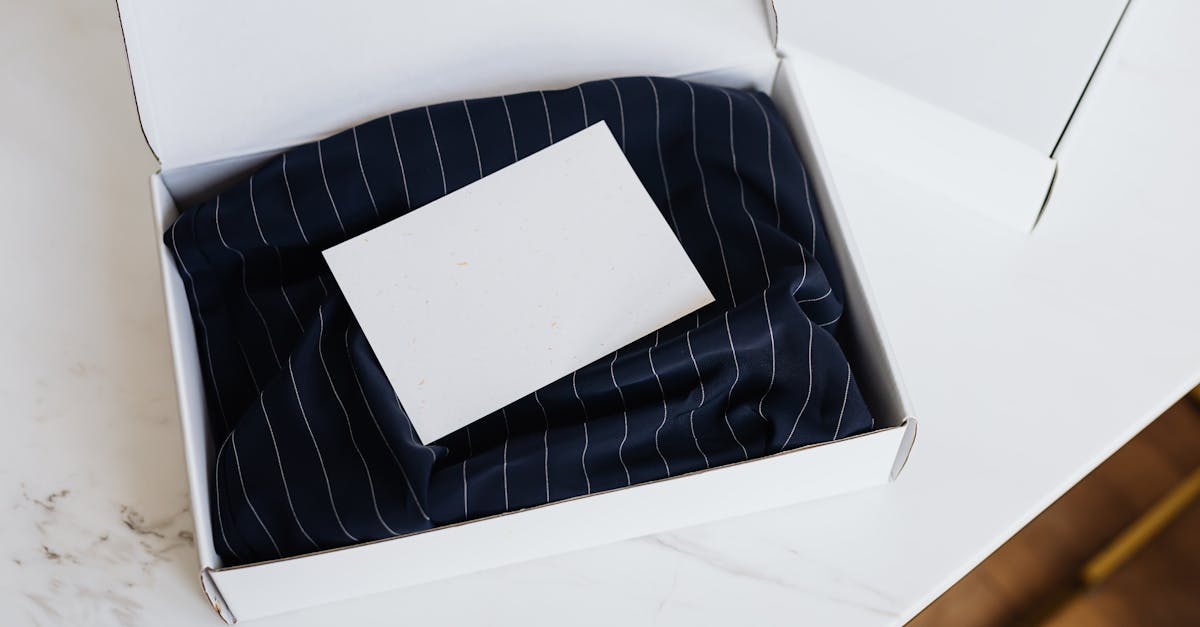
A jewellery care card is a package insert that tells customers how to look after the piece they just bought. It sits inside the parcel, usually beside the product or thank-you note, and clears up the questions buyers often have right after unboxing.
For a small brand, that matters more than it sounds. A buyer opens the box, sees a plated necklace or sterling silver ring, and wants to know one thing fast: how do I keep this looking good?
That is the job of the card.
For OpoShop merchants packing orders by hand, a jewellery care card also keeps post-purchase communication inside the package itself. The buyer does not need to hunt through your OpoShop order emails for care instructions.
Why does a jewellery care card matter for ecommerce brands?
A jewellery care card matters because it helps the product last longer, reduces avoidable questions, and makes the unboxing feel more considered. It also gives your brand one more quiet chance to ask for the next action.
That next action depends on what you want most. Some brands want more reviews. Some want newsletter signups. Some want second orders. A small insert can support any of those if the card stays focused.
This is where a lot of small teams overthink it. The card does not need to do everything. It just needs to answer the care question first, then point to one or two useful next steps.
For OpoShop merchants, that is especially useful because the order is already real, paid, and in the buyer's hands. The unboxing moment is one of the few post-purchase moments that still gets full attention.
If you want to turn care cards into print-ready inserts from your store orders, keep the setup simple. Branded package inserts can pull order details, fit exact trim sizes, and include QR codes without adding more manual work to your packing table.
How do you write a jewellery care card that customers will actually use?
A jewellery care card works when it answers the buyer's real question fast. The buyer is not looking for brand copy. The buyer is looking for care instructions that feel clear and believable.
Start with the materials. If you sell plated jewellery, sterling silver, and gold-filled pieces, do not write one generic card that treats them all the same. Those materials need different care instructions, and buyers can tell when the advice is vague.
Keep the printed copy short. Most jewellery care cards should be closer to a quick reference than a manual. If your cleaning guidance takes a full paragraph, move the longer explanation to a QR-linked care page.
Here is the difference between weak copy and useful copy:
Weak: "Handle with care and avoid moisture." Stronger: "Remove before showering, swimming, and exercise. Wipe with a soft dry cloth after wear and store in a dry pouch."
That second version gives the buyer something to do. That is what makes people keep the card.
Personalization can help too. If a care card includes the buyer's name and order number, the insert feels more like part of the order and less like generic packaging. For a one-to-ten person team shipping from an OpoShop store, having one print-ready PDF for a single order or a full date range can save a surprising amount of packing time.
What are the best ways to structure a jewellery care card?
The best structure depends on how many material types you sell and how much space you have in the parcel. Most brands end up choosing between a minimalist card, a material-specific card, or a hybrid card with short printed care tips plus a QR code.
| Format | Best for | What goes on the card | Tradeoff |
|---|---|---|---|
| Minimalist card | Brands with one material type or very small parcels | Short care points, wear warnings, contact details | Clean look, but less room for nuance |
| Material-specific card | Brands selling clearly different materials | Care instructions matched to plated, sterling silver, gold-filled, pearls, or gemstones | More accurate, but more versions to manage |
| Hybrid card with QR code | Brands that want short print copy and fuller guidance online | Short care summary, one or two QR codes, brand contact | Strong balance, but the QR destination needs to be worth scanning |
The hybrid format is usually the sweet spot. A 4x6 insert can hold the short version well, then send buyers to a longer care guide if they want cleaning details, gemstone notes, or storage tips for specific finishes.
That matters if you are stuck deciding whether to cram everything onto one small insert. Do not cram. Put the short version in print. Put the fuller version behind the QR code.
A lot of OpoShop merchants also use up to three QR codes to split the next steps cleanly. One QR code can go to a care guide, one to a review page, and one back to the store with a discount code for a second order. That setup works well when each action has a clear job.
If you want a faster way to turn order data into print-ready inserts for your OpoShop store, there is a simple next step.
What mistakes should you avoid on jewellery care cards?
The biggest mistake is writing one generic card for every material. Plated jewellery, sterling silver, and gold-filled jewellery do not all need the same care advice, and buyers notice when the guidance feels copied and pasted.
The second mistake is too much text. A jewellery care card should be short enough to scan at a glance. If the type has to shrink to fit everything, the card is trying to do too much.
Tiny text is its own problem. A card can look refined and still be readable. If the buyer has to squint, the card has already failed.
Unclear cleaning instructions cause trouble too. "Clean gently" is not very helpful. "Wipe with a soft dry cloth" is clearer. If soap or water is safe only for some pieces, say that plainly.
Another common miss is mixing too many goals onto one small insert. A care card can support reviews or repeat purchases, yes. A care card should not try to be a care guide, a founder letter, a coupon sheet, a social follow request, and a product catalog all at once.
What do we recommend for most small jewellery brands?
For most small jewellery brands, one concise printed card with the right care points and one or two QR codes is the best setup. It keeps the insert useful, keeps the design clean, and gives buyers a clear next step without crowding the card.
A 4x6 card is often the safest choice for ecommerce orders because it gives you enough room for readable type. If your parcels are tiny or your copy is very short, a business card or A6 card can work. If you need more explanation because you sell mixed materials, move the longer guidance to a QR-linked care page instead of turning the printed card into a wall of text.
For OpoShop merchants, we usually like this structure:
- Short care instructions on the front
- Material-specific warnings if needed
- Brand contact details
- One QR code to a full care guide
- One QR code to either a review page or a return-to-store offer
That is enough for most brands. Clean, useful, and easy to pack.
Best answer: Most jewellery brands should use one branded care card that fits the parcel, gives short material-specific instructions, and uses QR codes for anything longer than a few lines. If you want the card to feel like part of the unboxing instead of loose packaging, generate it from your order details, keep the print layout tidy, and send the buyer to the single next step that matters most.
FAQs
How much text should go on a jewellery care card?
A jewellery care card should hold only the care points a buyer can scan in a few seconds. If the copy starts feeling cramped, move the longer cleaning or material notes to a QR-linked care page.
Should every jewellery order include the same care card?
No. If you sell different materials, different finishes, or pieces with different care needs, the card should match the product. A plated necklace and a sterling silver ring should not always ship with identical instructions.
What should a QR code on a jewellery care card link to?
A QR code on a jewellery care card should link to the next thing the buyer actually needs. For most brands, that means a full care guide, a review page, a newsletter signup, or a return-to-store offer with a discount code.
Can I combine a thank you message and care instructions on one card?
Yes. For small parcels, one combined insert often works better than two separate cards. Keep the thank-you message short so the care instructions still stay easy to spot.
What size works best for a jewellery care card in small parcels?
A 4x6 card usually gives the best balance of readability and packing ease for ecommerce orders. Business card, 5x7, A6, and A5 sizes can also work depending on your parcel size and how much care text you need.
Should a jewellery care card include a discount code for a second order?
Yes, if the discount code does not crowd out the care instructions. A second-order offer works best when the care advice still comes first and the offer sits behind a QR code or in a small, clear section.
Create branded care cards, thank-you cards, and reorder inserts from your orders with Insertly.