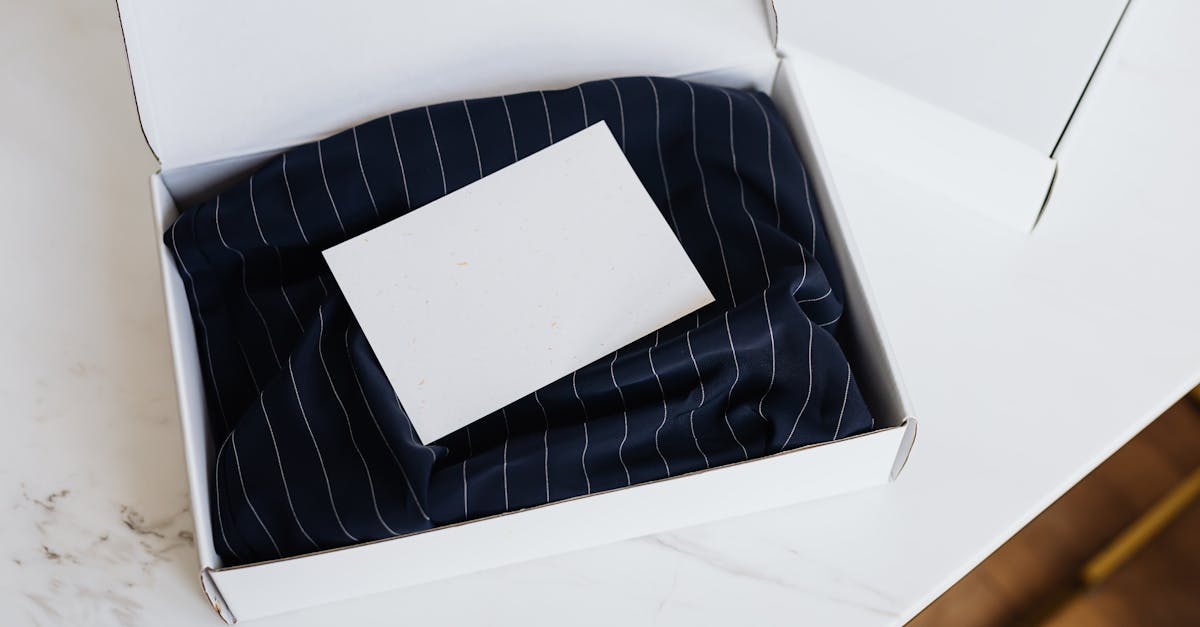
What Paper Should I Use for Thank You Cards in Packages?

Quick Answer
Cardstock is the right default for package thank you cards because it feels intentional in the box and holds up better during packing and shipping. Standard printer paper feels flimsy fast, especially in apparel, jewellery, candle, skincare, home goods, and handmade orders where the insert is part of the unboxing moment.
For most OpoShop merchants, matte cardstock is the safest pick. Matte is easier to read, easier to write on, and usually easier for QR codes to scan than a shiny finish. Glossy cardstock can work if your brand leans polished and image-heavy, but glossy stock is a worse fit if you want to add handwritten notes or print on a home printer.
Once you have your paper picked, make sure your insert file is set up at the exact trim size before printing.
What paper counts as a thank you card paper for package inserts?
Thank you card paper usually falls into three buckets: standard paper, lightweight card, and cardstock. The difference is mostly about thickness, stiffness, and how the card feels when a customer pulls it out of the box.
Standard paper is the same general category as office printer paper. It bends easily, wrinkles easily, and usually feels too thin for a branded insert. If you sell on OpoShop and want the insert to feel like part of the order, standard paper is rarely the right call.
Lightweight card sits in the middle. It is thicker than office paper but still fairly flexible. This can work for care cards, simple reorder slips, or larger formats like A5 where a heavy stock may feel like overkill.
Cardstock is the usual best choice for thank you cards in packages. It has enough stiffness to feel like a real card, enough durability to survive the box, and enough presence to make a short message feel more considered.
If you want a simple rule, use paper for documents and cardstock for inserts that are meant to be seen, kept, scanned, or remembered.
Why paper choice matters for package thank you cards
Paper choice changes how the insert feels before the customer reads a single word. That sounds small. It is not.
A thin sheet says "extra printout." A card says "we meant to include this." In a small team packing orders by hand, that difference matters because the insert is doing a lot of work in a very short moment.
Paper also affects durability. A thank you card gets handled during printing, stacked on a packing table, slipped into tissue or a mailer, and bounced through shipping. Thin paper creases fast. Cardstock keeps its shape better.
Readability matters too. If the card includes a reorder offer, care instructions, or a review request, the customer needs to read it quickly. Matte and uncoated papers cut glare, which helps both reading and QR code scanning. Glossy finishes can look sharp, but glare can get in the way under certain light.
Handwriting is another big one. If your team writes "Thanks, Maya" or adds a quick note on candle scents, jewellery care, or skincare usage, coated glossy stock can be annoying. Ink smears. Ballpoint skips. Uncoated cardstock is much easier.
And then there is the unboxing experience. For a lot of OpoShop merchants, the insert is not just a thank you. It is also a review ask, a care guide, a newsletter signup, or a reorder nudge. The paper needs to support that job, not fight it.
How to choose the right paper for your thank you cards
The right paper depends on what you sell, how you pack, how you print, and what the card needs to do after the box is opened. A simple decision process works better than guessing.
Start with the card's job. A thank you card with a short message can use a smaller format and a lighter stock than a care card with product instructions. A reorder offer with up to three QR codes needs clean print, strong contrast, and a finish that scans well.
Package size matters more than people expect. A 4x6 card works well for many ecommerce orders because it feels like a real insert without taking over the box. Business card size works for a simple thank-you plus discount code. A5 works better for brands that need more room, like skincare routines or care instructions for handmade goods.
Shipping method matters too. If your orders go in padded mailers or tight boxes, a heavier card holds up better. If the insert slides into a snug apparel mailer, super thick stock can feel bulky.
If you print at home, be honest about your printer. A stock that looks great on paper samples but jams every third sheet is not a smart choice for a one-to-ten person team trying to get orders out. Many OpoShop merchants are printing inserts by order or by date range, so consistency matters more than chasing the fanciest finish.
If your card includes QR codes for reviews, newsletter signup, care guides, or reorder offers, build the paper choice around scanning first. That usually means matte or uncoated stock, dark QR codes, and a print file sized exactly right.
If your thank you card includes a review, reorder, or care-guide QR code, plan the paper and finish around easy scanning.
Best paper options for different thank you card goals
Matte cardstock is the best all-around paper for most package thank you cards. Uncoated cardstock is the best choice if you want to handwrite notes. Glossy cardstock works best for image-led designs. Lighter paper only makes sense when cost, flexibility, or printer limits matter more than feel.
| Paper option | Best for | Strengths | Watch for |
|---|---|---|---|
| Matte cardstock | Most thank you cards, QR codes, reorder offers | Sturdy, readable, low glare, scans well | Some matte stocks still resist certain pens |
| Uncoated cardstock | Handwritten notes, care cards, handmade brands | Easy to write on, soft natural feel | Colors can look a little less vivid |
| Glossy cardstock | Photo-heavy cards, polished brand look | Sharper images, smoother finish | Harder to write on, more glare, QR scanning can be less forgiving |
| Lightweight card | Budget inserts, larger cards, simple messages | Easier to print, lower cost, less bulk | Can still feel thin in the box |
| Standard printer paper | Temporary tests only | Cheap and easy to source | Too thin for most real package inserts |
Matte cardstock is usually the safest answer to "Should thank you cards in orders be matte or glossy?" It does more things well. That matters if you are trying to thank the buyer, get a review, and include a reorder code on the same card.
Here is the practical difference:
Weak: Thin glossy paper with a handwritten "thank you" squeezed beside a QR code. Stronger: Matte 4x6 cardstock with a clear thank-you message, one high-contrast QR code, and space for a quick handwritten first name.
That is the whole point. The card should be easy to print, easy to pack, easy to read, and easy to act on.
Common paper mistakes to avoid
The biggest mistake is choosing paper that is too thin. Printer paper is usually too thin for package insert cards because it folds, wrinkles, and feels disposable.
Another common mistake is picking a finish that fights the job. If you want handwritten notes, glossy stock is a headache. If you want QR codes to scan fast, heavy glare is not helping you.
Printer jams are another real issue, especially for brands printing in-house. A thick cardstock that your home printer cannot feed cleanly creates waste and slows down packing. Test a short run before you commit to a full batch.
Size mistakes are easy to miss until the cards are already printed. If the PDF is designed at 4x6, print it on 4x6 stock. If the file is A6, print on A6 stock. Trimming a near-match by hand sounds fine until you are doing it for fifty orders.
A lot of OpoShop merchants also try to cram too much onto one small card. If you want a thank-you note, care instructions, a discount code, and three QR codes, give the layout enough room. A business card size insert can work. It cannot do everything.
What we recommend for most small ecommerce brands
For most small ecommerce brands, we recommend matte cardstock in an exact-size format like 4x6 or A6. That setup gives you a sturdy feel, clean print results, easy QR code scanning, and enough space for a short note or offer.
For branded thank-you cards, matte cardstock is the best default. For care cards, uncoated cardstock is often better because customers may keep it and refer back to it. For reorder offers and review asks, matte cardstock still wins because it handles QR codes well and feels good in the hand.
If you want to handwrite a note on each card, pick uncoated cardstock. If your design relies on product photography and you are not handwriting anything, glossy cardstock can work, but test QR scanning before you order a full run.
For small packages, 4x6, A6, or business card formats usually feel right. A thank you card in a small package should feel firm and intentional, not thick for the sake of it. In most OpoShop stores, the best insert is the one your team can print, pack, and use every day without friction.
If you are generating inserts from store orders and printing them in batches, keep the system simple. One or two paper stocks is enough for most brands.
If you want your thank you cards sized correctly, personalized, and ready to print straight from your OpoShop orders, keep the setup simple from day one.
Best answer: Most merchants should use matte or uncoated cardstock for thank you cards in packages, then match the exact paper size to the insert PDF they plan to print. That gives the card the right feel in the box and makes the post-purchase message easier to read, scan, and reuse across every order.
FAQs
What cardstock weight should I use for thank you cards?
A medium cardstock weight is the best fit for most thank you cards because it feels sturdy without causing printer problems. If you print at home, choose the heaviest stock your printer handles reliably and test one short batch first.
Is matte or glossy paper better for package inserts?
Matte paper is better for most package inserts because it is easier to read, easier to write on, and usually better for QR code scanning. Glossy paper works best for photo-led designs that do not need handwriting.
Can I print thank you cards on a home printer?
Yes, you can print thank you cards on a home printer if the printer supports cardstock and the paper size matches the file. Home printing works well for many OpoShop merchants, but only after a real test run for feed, print quality, and trim accuracy.
What paper works best if my card includes a QR code?
Matte or uncoated cardstock works best for QR code thank you cards because low glare makes scanning easier. Keep the QR code dark, sharp, and printed at the exact size from the PDF.
Should thank you cards be the same size as the insert PDF?
Yes, thank you cards should be printed on the same size as the insert PDF whenever possible. A 4x6 PDF belongs on 4x6 stock, an A6 PDF belongs on A6 stock, and near-matches usually create alignment or trimming problems.
What paper should I use if I want to handwrite a note on each card?
Uncoated cardstock is the best paper for handwritten notes because pens grip the surface better and dry faster. Matte cardstock can also work, but glossy stock is usually the worst choice for handwriting.
Summary
The short version is simple. Use cardstock, not office paper, for thank you cards in packages. Matte cardstock is the safest default for most brands, and uncoated cardstock is the better pick if you want to handwrite notes.
The rest is just fit. Match the stock to your printer, match the size to the PDF, and match the finish to the job the card needs to do in the box.
For a lot of brands on OpoShop, the hard part is not choosing paper once. The hard part is turning inserts into a repeatable part of packing. That is where exact-size files, order-based personalization, and batch printing make the whole thing easier to keep doing.
Create print-ready thank you cards from your store orders, sized correctly and personalized for each package.