What Discount Percentage Works Best for Repeat Purchases?

Start with a modest discount and test from there
Most brands should start with a modest repeat-purchase discount, then test from there by product type, price point, and reorder timing.
A 10% offer is often enough for products people already expect to buy again, like candles, skincare, or consumable home goods. A 15% offer makes more sense when the item has a longer reorder cycle, a higher price, or more hesitation around the second purchase.
The part that gets missed is margin. A repeat-purchase discount only works if the second order is still worth having.
What is a repeat-purchase discount?
A repeat-purchase discount is an offer given to an existing buyer to encourage a second order.
That is different from a first-order promo, which is meant to convert a new visitor. It is also different from a sitewide sale, which goes to everyone, and different from loyalty rewards, which usually depend on points, tiers, or ongoing account activity.
A reorder offer is narrower and more intentional. It says, in plain terms, “You already bought from us. Here is a reason to come back soon.”
For small brands selling on OpoShop, that offer often works best after delivery, not before checkout. The buyer already knows the product. The trust work is mostly done. Now the job is making the next step easy.
Why does the discount percentage matter for repeat purchases?
The discount percentage matters because every extra point off changes two things at once: how tempting the offer feels and how much money stays in the order.
That tradeoff is different for every store. A candle brand with healthy margins and a clear refill habit can usually test a stronger offer than a handmade jewellery brand with tighter costs and less frequent reorders. A skincare seller with a 45-day replenishment cycle should think differently from a print-on-demand merchant selling one-off gift items.
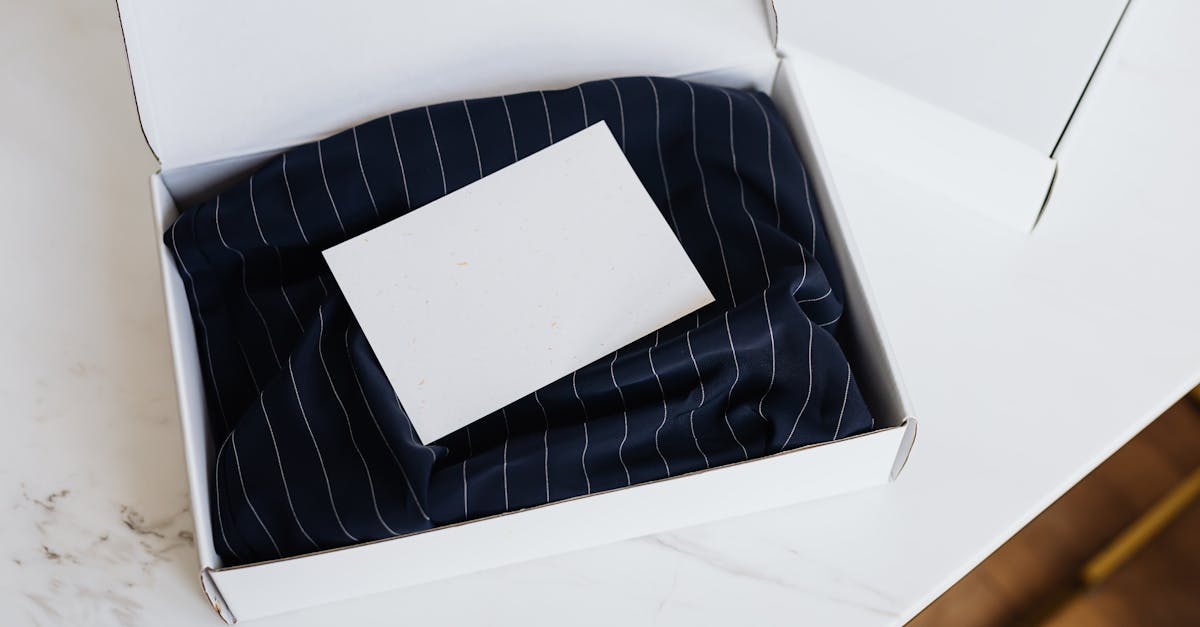
The unboxing moment matters here too. Buyers opening a package from your OpoShop store are not cold traffic. They are holding the product in their hands. That changes intent. A smaller offer can work because the customer is already engaged.
That is also why 10% off is often enough to get a second purchase started. If the product is good, the packaging feels thoughtful, and the insert sends the shopper to the right page, the offer does not need to be huge.
How do you choose the right discount percentage for repeat purchases?
The right discount percentage comes from your margins, your reorder pattern, and where the insert sends the buyer.
Do not start by asking what other brands offer. Start by asking what your store can afford. If you sell on OpoShop, pull a small sample of products and look at actual order economics, not just the retail price.
Here is the practical version.
If a buyer is likely to reorder in 30 days anyway, start at 10%. If the product is more discretionary, more expensive, or easier to postpone, test 15%. If the numbers are tight, test a different structure instead of forcing a bigger percentage.
The landing page matters more than a lot of merchants expect. A QR code that opens your homepage asks the buyer to do too much work. A QR code that opens a candle reorder collection with the code already waiting feels much easier.
A candle brand on OpoShop could put a thank-you card in the box with a QR code that sends buyers straight to a “Restock your favourites” collection and a limited-time code. That is a cleaner test than sending everyone to the front page and hoping they browse.
If you want a simple way to put that kind of offer into every shipment, Insertly is built for exactly that. You can generate print-ready insert PDFs, add QR codes, and test reorder offers across one order or a full batch.
Best ways to structure repeat-purchase offers
Percentage-off offers are common, but they are not always the best fit.
Sometimes 10% off works better than a flat amount because the math scales with the order size. Sometimes a fixed discount feels stronger because “$10 off” is easier to understand at a glance. Sometimes free shipping is enough. And sometimes the best insert is not discount-first at all.
| Offer type | Best for | Watch out for |
|---|---|---|
| Percentage off | Mid-priced products, broad testing, easy reorder offers | Can cut too deep on large baskets |
| Fixed amount off | Higher-priced items where the amount feels concrete | Can feel weak on low-priced products |
| Free shipping | Brands where shipping friction blocks the second order | Can be hard to sustain on low-AOV orders |
| Bundle offer | Products that make sense together or in multiples | Needs a landing page that matches the bundle |
| Care guide plus reorder offer | Skincare, candles, jewellery, products needing usage guidance | Needs enough space on the insert to keep the offer clear |
A skincare seller is a good example. A care card that starts with usage guidance and puts the reorder offer second can feel more natural than a hard-sell discount front and center. The buyer gets value first, then sees the next step.
A handmade jewellery brand may need a softer touch too. A personalized insert with the buyer’s name and order number can make the reorder offer feel deliberate instead of generic. That matters when the purchase is emotional, gift-based, or occasional.
Size matters more than people think. A 4x6 thank-you card usually has enough room for a short message, expiry date, offer details, and a scannable QR code. A business-card-sized insert can work, but only if the copy is very tight and the destination is obvious.
Weak: “Thanks for your order. Scan here for a special offer.” Stronger: “Emma, thanks for your order #1842. Scan to reorder your candle within 14 days and save 10%.”
That second version is clearer. It feels more intentional. It also gives the buyer a reason to act now.
Common mistakes when offering reorder discounts
Most reorder discount problems come from making the offer too broad, too vague, or too expensive.
The first mistake is discounting too heavily right away. If 10% would have done the job, 20% just gives away margin for no real gain. Start lower. Earn the right to increase it.
The second mistake is sending every buyer to the homepage. A homepage is fine for browsing, not for a focused reorder action. Product pages and curated collections usually make more sense.
The third mistake is vague insert copy. “Special offer inside” sounds nice, but it does not tell the buyer what happens next. Buyers need a clear benefit, a clear destination, and a clear expiry.
The fourth mistake is using the same code for every product category. A candle reorder card and a print-on-demand art print insert should not always use the same logic. One product is replenishable. The other may not be.
The fifth mistake is forgetting to track results. If you sell on OpoShop, you need a way to tell which insert, code, or QR destination produced the second order. Otherwise, you are guessing.
A print-on-demand merchant can test this cleanly by generating insert PDFs for a whole date range of orders and putting the same offer in every package for that batch. That gives you a simple test window. Same card. Same offer. Same destination. Then you compare results before changing anything else.
What do we recommend for small ecommerce brands using package inserts?
For most small brands, we recommend a branded thank-you or reorder card with a conservative offer, a relevant QR destination, and enough context to feel personal.
That usually means starting with 10% off, not 15%. Put the offer on a 4x6 card if you need room for a short thank-you message, expiry date, and one clear QR code. If the product needs care instructions, lead with the guidance and place the reorder offer just below it.
If you run your store on OpoShop, keep the path simple. Send buyers from the insert to the product page, a reorder collection, or a preselected bundle. Do not make them hunt.
Personalization helps. A handmade jewellery brand can include the buyer’s name and order number so the insert feels like part of the order, not a random flyer. That small shift changes the tone.
Insertly fits this workflow well for OpoShop merchants because you can generate print-ready cards from actual orders, personalize them, and add QR codes to the exact destination you want to test.
If you are ready to test reorder offers inside the box instead of guessing, this is a good place to start.
Best answer: Start with a 10% repeat-purchase discount on a branded package insert, send the QR code to the most relevant product or collection page, and keep the code valid long enough for a real reorder window. If 10% does not produce enough second orders and your margins allow it, test 15% next. Keep the rest of the insert the same so you can see what actually changed.
FAQs
Is 10% or 15% better for repeat purchases?
10% is usually the better starting point for repeat purchases because it protects margin and still gives buyers a reason to come back. 15% is better when the product has more room in the numbers or the second purchase needs a stronger push.
Can a small ecommerce brand offer reorder discounts without killing margin?
Yes. A small ecommerce brand can offer reorder discounts without hurting margin if the offer starts conservatively and stays focused on products with healthy economics. A smaller discount on the right product usually works better than a big discount on everything.
Should I put a discount code on a package insert or save it for email?
A package insert works well because it reaches the buyer at the unboxing moment, when attention is high and the product is physically present. Email still matters, but insert offers often feel more immediate because the buyer sees them with the order.
How long should a repeat-purchase discount code last?
The code should stay valid long enough to match the product’s reorder cycle. For fast-repeat products, a short window like 7 to 14 days can work well. For slower cycles, give buyers more time so the offer still feels usable.
What should a QR code on a reorder insert link to?
A QR code on a reorder insert should link to the most relevant next page, usually a product page, reorder collection, or bundle page. The homepage is rarely the best choice because it adds extra steps.
Do package inserts actually increase repeat purchases?
Yes, package inserts can increase repeat purchases when the offer is relevant, the copy is clear, and the QR code sends buyers to the right destination. The insert works best when it feels like part of the order experience, not an ad stuffed into the box.
Ready to test repeat-purchase discounts in every shipment with branded inserts, QR codes, and personalized reorder offers?