How Do I Improve Repeat Purchase Rate Without Spending More on Ads?

How to improve repeat purchase rate without more ad spend
The cleanest way to improve repeat purchase rate is to stop treating the sale as the finish line. The first order is the start of the second one.
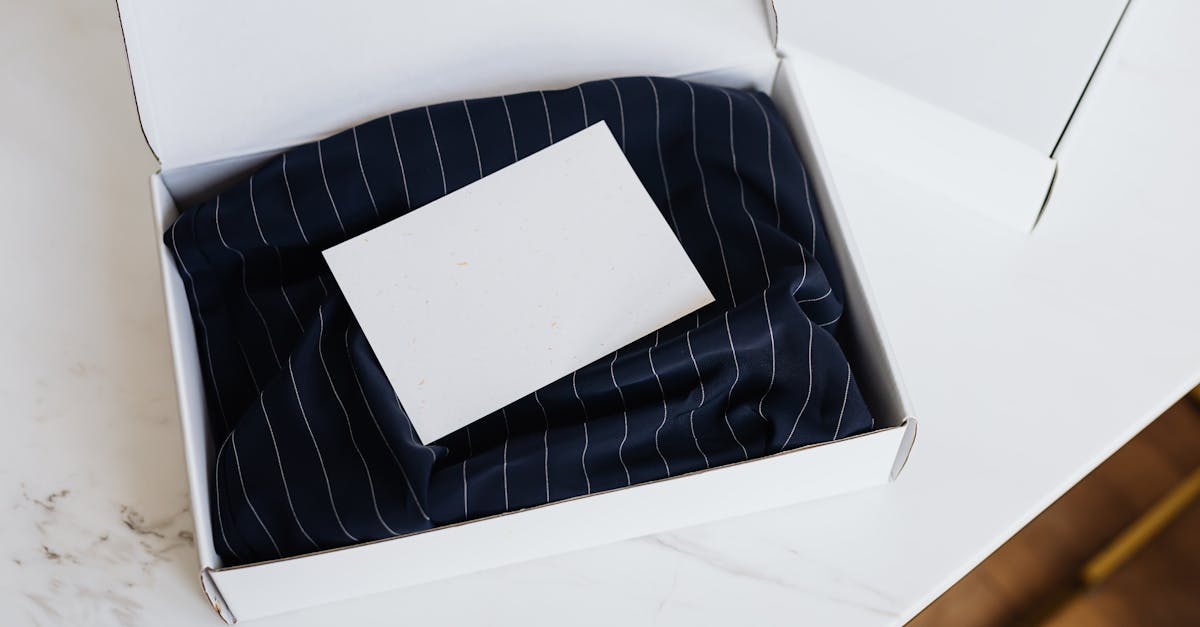
If you pack orders yourself, you already control one of the best moments in the whole buying cycle: the moment the customer opens the box. A small insert can do a lot of work there. It can say thanks, explain how to use or care for the product, ask for a review, collect an email signup, or send the buyer back to your store with a reorder offer.
For a one-to-ten person team selling through OpoShop, that matters because it fits the way the business already runs. You are already printing labels, packing boxes, and touching every order. Adding a print-ready insert is often a simpler move than trying to squeeze more out of ad spend.
If you want a benchmark first, read what a good repeat purchase rate looks like for a small ecommerce brand.
What is repeat purchase rate?
Repeat purchase rate measures how many customers come back and buy again. It tells you how much of your growth is coming from existing customers instead of only from new customer acquisition.
Formula:
Repeat purchase rate = returning customers / total customers × 100
That sounds simple because it is simple. If 100 customers bought from your OpoShop store and 25 of them placed another order later, your repeat purchase rate is 25%.
A good repeat purchase rate for a small ecommerce brand depends on what you sell. Skincare, candles, coffee, and other replenishable products usually have more room for repeat orders than one-off gift items or special-occasion handmade pieces. The useful question is not just "what is average?" The useful question is "what should make a customer come back in this category, and are we making that next step obvious?"
Why repeat purchase rate matters more when you do not want to spend more on ads
Repeat purchase rate matters more when ad spend is flat because existing customers are the cheapest place to find the next order. You already paid to get the first sale.
That matters even more for small teams packing orders at the kitchen table, in a spare room, or in a small warehouse corner. If you sell candles, jewellery, apparel, skincare, home goods, or print-on-demand products, you do not always have endless room to keep buying more traffic. You need the first order to do more.
This is where a lot of independent brands get stuck. They look at growth and think the answer has to be more ad budget, more content, more acquisition. Sometimes the answer is smaller than that. Sometimes the answer is the card inside the box.
For OpoShop merchants, post-purchase marketing can start right inside the package. That is useful because it does not depend on inbox placement, rising click costs, or another campaign you have to build from scratch.
How do you improve repeat purchase rate without spending more on ads?
You improve repeat purchase rate without spending more on ads by making the next action easy, relevant, and hard to miss. The package is one of the best places to do that.
Here is what that can look like in real life:
- An apparel brand includes a thank-you card plus a QR code to a fit guide and a discount for a second tee.
- A jewellery shop includes a care card that explains storage and cleaning, plus a QR code to matching pieces.
- A candle brand includes a burn-care card and a reorder offer timed around when the candle will likely run low.
- A skincare brand includes usage instructions and a QR code to a routine page with the next product in the sequence.
The point is not to ask for everything at once. The point is to choose the next best action.
Weak: “Thanks for your order. Follow us on social. Leave a review. Join our newsletter. Shop again soon.”
Stronger: “Thanks, Maya. Your order #1842 is packed. Scan here for candle care, or use this code for 10% off your next order this week.”
The first version is noise. The second version gives the buyer a clear path.
If you want a simpler way to turn orders from your OpoShop store into print-ready inserts with QR codes and buyer details already filled in, this is the kind of workflow we built Insertly for.
Best ways to get repeat purchases from the package, not the ad click
The best insert-led tactics depend on what you sell and what the buyer needs next. A thank-you card, care card, reorder offer, review prompt, and newsletter signup can all work, but they do different jobs.
| Insert type | Best use | Best QR destination | Best for |
|---|---|---|---|
| Thank-you card | Build goodwill and set up the next step | Review page or store page | Almost every order |
| Care or usage card | Help the product work well after delivery | Care guide or usage instructions | Apparel, jewellery, candles, skincare, home goods |
| Reorder offer | Give a reason to buy again soon | Discount landing page in your OpoShop store | Consumables, replenishable products, frequent gift buyers |
| Review prompt | Ask for social proof after the product arrives | Direct review page | Brands with happy buyers but low review volume |
| Newsletter signup card | Turn one-time buyers into owned audience | Signup page with welcome offer | Brands building email retention |
| Direct-to-store discount link | Send buyers straight back to shop | Pre-applied discount page | Fast second-purchase campaigns |
A lot of merchants ask which insert should go in every order. The honest answer is that there is no single winner. A skincare reorder card makes sense for a cleanser. A care card makes more sense for a handmade necklace. A thank-you card works almost everywhere because it sets the tone.
And yes, you can use more than one QR code on a single insert if the layout stays clean. Up to three QR codes can make sense if each one has a distinct job, like review page, newsletter signup, and care guide. Past that, the card usually starts asking too much.
If you are using inserts to improve reorders, it helps to choose the right QR destination and offer format.
Common mistakes that lower repeat purchase rate
Most repeat purchase problems are not about effort. Most repeat purchase problems are about friction, mixed signals, or generic follow-up.
Here are the common misses we see with package inserts in OpoShop stores:
- Generic inserts. A flat “thank you for your order” card is polite, but it does not give the buyer a reason to act.
- Too many asks. Review, Instagram, TikTok, newsletter, referral, reorder, care guide. That is too much for one small card.
- Weak QR destinations. Sending a buyer to your homepage is rarely the best move. Send the buyer to the exact next page.
- Unclear discount offers. “Special offer inside” is vague. “10% off your next candle order with code GLOW10” is clear.
- Poor print sizing. If the insert is cramped, the QR code is tiny, or the trim is off, the card feels sloppy.
- Mismatch between insert and product. A care card for a candle makes sense. A care card for a digital print-on-demand mug may not.
This part matters more than people think. A 4x6 card, 5x7 card, A6 insert, A5 insert, or business-card format all create different constraints. If you print at the wrong size or force too much onto a small card, the insert stops helping.
For teams shipping in batches, operations matter too. The insert has to be easy to generate for one order or a whole date range, easy to print as a PDF, and easy to drop into the box without slowing down fulfillment.
What we recommend for small ecommerce brands
We recommend starting with one simple branded insert tied to one clear goal. That goal can be a second purchase, a review, or an email signup, but it should be one goal first.
For most small brands on OpoShop, the safest setup is this:
- A thank-you card for all orders
- A care or usage card for products that need guidance
- A reorder offer for products with a natural refill or repeat cycle
- One to three QR codes total, only if each one earns its place
- Personalization that pulls in the buyer's name or order number
That setup works because it respects real packing workflows. You can generate inserts from actual store orders, print exact trim sizes like 4x6, 5x7, A6, A5, or business card, and keep the process light enough for a small team to stick with it.
For a handmade soap shop, the card might point to care instructions and a reorder discount. For a print-on-demand apparel brand, the card might point to wash instructions and a second-purchase offer. For jewellery, the card might focus on care first and a review second.
Best answer: If you want better repeat purchase rate without raising ad spend, start inside the package. Use a simple branded insert that matches the product, gives the buyer one clear next step, and sends that buyer to the exact page that makes sense for the order.
Want a simpler way to turn store orders into print-ready branded inserts for thank-you cards, care cards, and reorder offers? Insertly helps you generate PDFs from your OpoShop orders, personalize them with buyer details, and add QR codes that send customers where you want them to go.
FAQs
Do package inserts actually increase repeat purchases?
Yes. Package inserts help because they reach the buyer at the moment the order is opened, which is one of the few post-purchase moments you fully control. A clear reorder offer, care card, or thank-you card can turn that moment into a second order instead of a dead end.
What should a QR code on a thank-you card link to?
A QR code on a thank-you card should link to the single next action you want most. For most OpoShop merchants, that means a review page, a reorder page with a discount, a care guide, or an email signup page.
Are package inserts worth it for low-margin products?
Yes, if the insert is simple and tied to a real repeat-purchase goal. Low-margin products do not leave much room for waste, so the insert has to be cheap to print, easy to pack, and focused on one action that can bring the buyer back.
How do package inserts compare to post-purchase emails?
Package inserts and post-purchase emails work best together, not as substitutes. Emails depend on opens and clicks, while inserts are physically seen in the box, so inserts are often better for care instructions, reorder offers, and review prompts tied to the exact order.
What should I put on a thank-you card for online orders?
A good thank-you card should thank the buyer, reflect the brand, and point to one useful next step. That next step can be a review, a reorder discount, a care guide, or a newsletter signup, depending on what makes sense for the product.
Can a package insert send customers straight to a review page?
Yes. A package insert can send customers straight to a review page with a QR code, and that is often one of the cleanest uses for the card. Just make sure the review ask comes after the buyer has had enough time to use the product.
Summary
Repeat purchase rate improves when the first order does more work. For small ecommerce brands, that usually means a better post-purchase experience, a clearer next step, and package inserts that actually match the product and the reorder goal.
You do not need a huge ad budget to get more from the customers you already have. You need a better box, a better insert, and a better path back to your store.