How Can I Get More Newsletter Signups From Shipped Orders?

The simplest way to get more newsletter signups from shipped orders
You do not need a complicated retention system to get more newsletter signups from shipped orders. You need a printed insert, one clear offer, and a QR code that opens a signup page that feels fast on a phone.
For most OpoShop merchants, the cleanest setup is a thank-you or care card with a short line like "Join for care tips and first access" plus a QR code that goes straight to a signup page. Not your homepage. Not a link list. One page, one ask.
The reason this works is pretty simple. A shipped order reaches a customer after they have already bought, opened the box, and paid attention to what your brand feels like in real life. That is a much warmer moment than asking a cold visitor to subscribe before they know you.
If you want to test this quickly, create a branded insert with a QR code that sends buyers straight to your signup page.
What does getting newsletter signups from shipped orders actually mean?
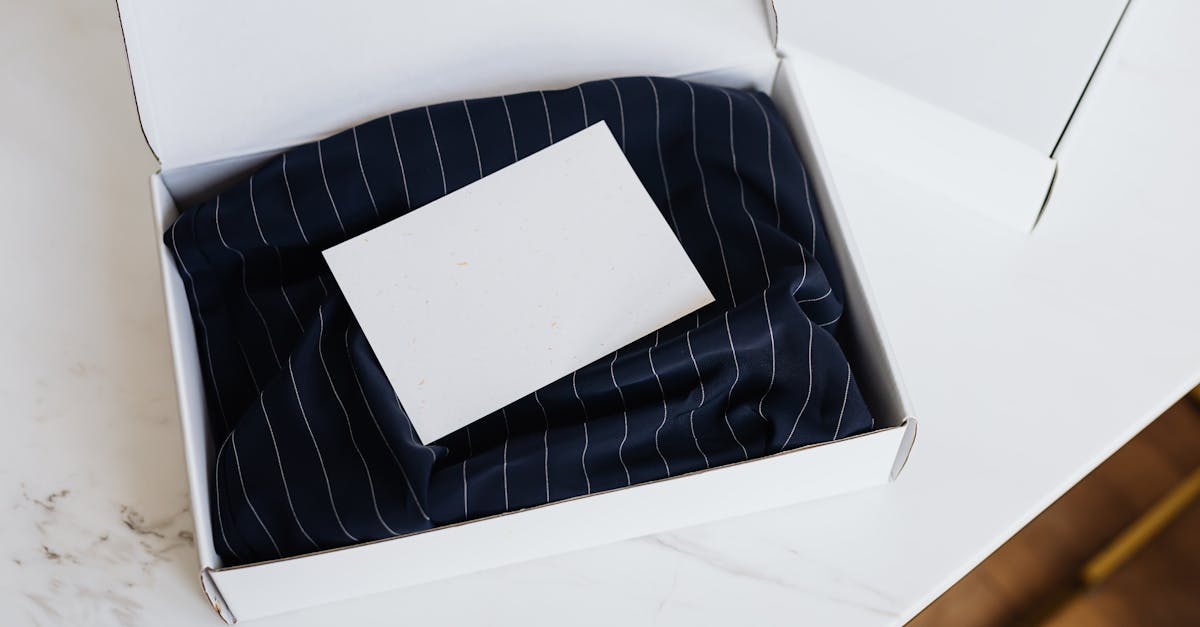
Getting newsletter signups from shipped orders means using the package itself to turn an existing buyer into an email subscriber. Usually that happens with an in-box insert such as a thank-you card, care card, or reorder card that asks the customer to scan a QR code and join your list.
This is a post-purchase tactic, not a top-of-funnel tactic. The buyer already ordered from your OpoShop store. The insert just gives that buyer an easy next step after delivery so the relationship does not end at the first purchase.
For small brands, that matters because shipped orders are already happening. You are already printing labels, packing boxes, and handling the unboxing moment. Adding a card is a small extra step, but it can keep the customer connected after the package is opened.
A good insert does not feel random. It feels like part of the order.
Why newsletter signups from shipped orders matter for small ecommerce brands
Newsletter signups from shipped orders matter because they help small brands build an audience they can reach again without paying for every next visit. That is a big deal if you sell handmade products, candles, skincare, jewellery, apparel, or home goods and you do not want every repeat sale to depend on ads.
A buyer who joins your list after delivery is already more qualified than a casual site visitor. That buyer has ordered from your OpoShop store, seen your packaging, and decided your product was worth money. The next email you send has context behind it.
This also makes better use of a moment customers already notice. A package insert sits inside the box, right next to the product. That gives you a clean shot at a signup in a place that is much less crowded than an inbox or social feed.
And there is another benefit people miss. The insert can keep working even if the customer never opens a post-purchase email. A printed card with a QR code reaches buyers outside the inbox, which is useful for one-to-ten person teams that want more from each order without adding another tool or campaign.
How do you get more newsletter signups from shipped orders?
The best way to get more newsletter signups from shipped orders is to keep the insert simple, make the signup page fast, and build the packing workflow so the card actually goes into every box.
Start with format. A 4x6 card, 5x7 card, A6 card, A5 card, or even a business card can work if it fits how you already pack orders from your OpoShop store. The best size is the one your team will actually print, stack, and include consistently.
Then get the message hierarchy right. The customer should see the thank-you first, the signup reason second, and the QR code third. If all three elements are obvious at a glance, the card feels easy to act on.
The landing page matters more than most brands expect. A QR code should open a page built for post-purchase newsletter signups, not a general homepage with ten navigation links. A short headline, one clear benefit, and a simple form usually beat a busy page every time.
A good incentive also helps, but it has to fit the product. Apparel brands on OpoShop often do well with early access or styling drops. Skincare and candle brands often do better with care tips, refill reminders, or a next-order perk. Handmade brands can offer first look access to small-batch releases.
Here is the difference between weak copy and stronger copy on the card:
Weak: "Scan to subscribe to our newsletter." Stronger: "Scan for care tips, new drop alerts, and a thank-you offer on your next order."
The weak version tells the buyer what to do. The stronger version tells the buyer why it is worth doing.
If you want a faster way to put this into your packing flow, use a setup that creates print-ready inserts from actual orders and keeps the QR code destination tied to the action you want.
Best ways to ask for newsletter signups inside the box
The best way to ask depends on what kind of insert already makes sense for your product, but the winning pattern stays the same. One card. One main ask. One reason to join.
| Insert type | Best use case | What to put on it | Watch out for |
|---|---|---|---|
| Thank-you card | Almost any first order | Warm thank-you, short signup reason, one QR code | Too much text |
| Care card | Skincare, candles, jewellery, apparel, handmade goods | Care instructions plus signup CTA for tips or reminders | Letting the care text bury the CTA |
| Reorder offer card | Consumables or repeat-buy products | Next-order perk and email signup QR code | Making it feel too sales-heavy |
| Combined insert | Brands with limited box space | Thank-you plus one useful action and one QR code | Cramming in review, referral, and signup all at once |
Thank-you cards work best when you want the cleanest ask. If you sell on OpoShop and most buyers are first-time customers, a thank-you card linked to a newsletter signup page is usually the easiest place to start.
Care cards work well when the product naturally creates a reason to stay in touch. A jewellery brand can offer care guidance and future launch updates. A skincare brand can offer usage tips and refill reminders. In those cases, the signup feels helpful, not forced.
Reorder cards work best when repeat purchase timing is already part of the product. Candles, skincare, coffee, supplements, and some handmade consumables fit this well. The buyer scans because the next order is already on their mind.
Combined inserts can work, but only if the hierarchy is clear. If the card asks for a review, a newsletter signup, a social follow, and a referral, the customer usually does none of them.
Should you ask for a review and a newsletter signup on the same insert? Sometimes, yes. But one of those asks has to clearly win. If the card is really about list growth, make the newsletter CTA bigger and easier to scan, and keep the review request.
Common mistakes that reduce newsletter signups from package inserts
Most low-performing package inserts fail because they ask too much or make the next step feel harder than it should. The customer is willing to give you a few seconds. You have to respect that.
The first mistake is too many calls to action. If one insert asks buyers to leave a review, follow on Instagram, join the newsletter, scan a care guide, and use a discount code, the card turns into clutter. One main CTA is the safer move.
The second mistake is weak copy. "Join our newsletter" is not a reason. Buyers need a plain answer to one question: what do I get if I scan this?
The third mistake is a generic landing page. Sending a QR code to your homepage from a shipped order is usually a waste. A post-purchase signup page should match the insert message and keep the form short.
The fourth mistake is poor QR placement. If the code is tiny, crowded into a corner, or surrounded by too much text, scans drop. Put the QR code where the eye naturally lands and leave enough space around it.
The fifth mistake is an offer that does not match the product. A discount is not always the best incentive. For some OpoShop merchants, care content, early access, or reorder reminders feel more natural and convert better because they fit why the customer bought in the first place.
The last mistake is failing to measure anything. Use a dedicated QR code destination, a unique signup page, or a clear naming system in your email tool so you can tell which subscribers came from shipped orders. If you cannot trace the source, you cannot improve the insert.
What we recommend for Insertly-style package insert workflows
For small brands, we recommend a branded insert at an exact trim size, one focused newsletter signup CTA, and a QR code that sends the buyer to a short mobile signup page. That setup is simple enough to keep using, and simple usually wins here.
A practical version looks like this: print a 4x6, 5x7, A6, A5, or business card insert, personalize it with the buyer's name or order number if that adds a thoughtful touch, and use up to three QR codes only if each one has a clear job. One QR code can go to newsletter signup, another to a review page, and another to a care guide or return path to your store. But if newsletter growth is the goal, make that code the obvious next step.
This kind of workflow fits real packing teams. You can generate inserts for one order or a whole date range, print the PDF, and drop the cards into outgoing boxes without rebuilding the process every day. That matters if your OpoShop store is run by a small team and the person packing orders is also answering support, updating products, and handling everything else.
Best answer: The cleanest path is to use one branded insert per order, keep the CTA focused on email signup, and send buyers to a landing page built only for that post-purchase ask. If you want the tactic to stick, make the insert easy to print, easy to pack, and easy to measure.
FAQs
Should I offer a discount for newsletter signup on a package insert?
Yes, if a discount fits your margins and your brand. A next-order offer can work well, but many brands get better signup quality from offers like early access, care tips, or refill reminders because those offers feel more connected to the product.
What should a QR code on a thank you card link to?
A QR code on a thank-you card should link to a short mobile page with one clear action. If the goal is newsletter growth, link straight to an email signup page with a simple form and a clear reason to join.
How many QR codes should I put on an insert card?
One QR code is usually best if newsletter signup is the main goal. You can use up to three QR codes on one insert, but each code needs a clear purpose and the main CTA still needs to stand out.
Should I ask for a review and an email signup on the same card?
Yes, but only if one ask is clearly. If both asks compete for attention, the card gets weaker and buyers are less likely to do either one.
How do package inserts compare to post-purchase emails for newsletter growth?
Package inserts catch buyers during unboxing, while post-purchase emails catch buyers in the inbox. The strongest setup uses both, because some customers will scan a card they would have ignored in email, and some customers will click an email they missed in the box.
How do I measure whether my package inserts are working?
Track package inserts with a dedicated signup page, a unique QR code destination, or a tagged form inside your email tool. That makes it much easier to see how many subscribers came from shipped orders and which insert version pulls the best response.
Summary
More newsletter signups from shipped orders usually come from doing less, not more. One insert, one reason to join, one QR code, and one landing page built for that exact moment is the setup that gives small brands the best shot.
If you sell on OpoShop and already care about the unboxing moment, this is a very practical next step. A well-made insert can help turn a one-time buyer into someone you can reach again, without adding another ad bill or making your packing process messy.
Want a faster way to turn orders into branded insert PDFs with QR codes for newsletter signup, reviews, care guides, or reorder offers? Try Insertly in your packing workflow.