What Is a Good Repeat Purchase Rate for a Small Ecommerce Brand?

A good repeat purchase rate is a rate that keeps moving in the right direction for your product category, your reorder timing, and your margins.
That sounds less tidy than a benchmark chart. It is also more useful. A candle brand, a jewellery brand, and a print-on-demand apparel shop on OpoShop should not judge the same number the same way.
If customers naturally reorder every 30 to 60 days, you should expect a different pattern than a gift-heavy store where many buyers purchase once for a birthday or holiday. The real question is simple: are more first-time buyers turning into second-time buyers, and is that happening without you buying every sale back through ads?
A lot of small teams get stuck chasing a magic percentage. Better move: track the number, break it down by product type, and watch whether your store on OpoShop is earning more second orders from the customers you already worked hard to acquire.
What Is Repeat Purchase Rate?
Repeat purchase rate is the percentage of customers who have placed more than one order in a given time period.
If 100 customers bought from your store and 25 of those customers came back for another order, your repeat purchase rate is 25%.
What counts as a repeat customer in ecommerce? A repeat customer is usually any customer with at least two completed orders. That means the first order makes them a customer, and the second completed order makes them a repeat customer.
Repeat purchase rate is close to retention, but it is not the same thing. Retention usually asks whether customers stay active over time. Repeat purchase rate asks whether customers bought again.
Reorder rate is also a little different. Reorder rate often focuses on a specific product or subscription-like behavior. Repeat purchase rate looks at customer behavior across the store.
For small brands on OpoShop, that distinction matters. A skincare customer may reorder the same cleanser. An apparel customer may come back for a different item. Both behaviors matter, but they tell you different things.
Why Repeat Purchase Rate Matters for Small Ecommerce Brands
Repeat purchase rate matters because small brands do not have endless room to keep paying for every first order.
If you pack your own orders, run your own support inbox, and still check OpoShop sales from your phone at night, you already know the pressure. Every new customer costs time. Every second order makes that first sale worth more.
A stronger repeat purchase rate helps in a few direct ways:
- It lowers your dependence on paid acquisition.
- It increases the value of each customer over time.
- It gives each shipped order more than one job to do.
- It creates more chances for reviews and word of mouth.
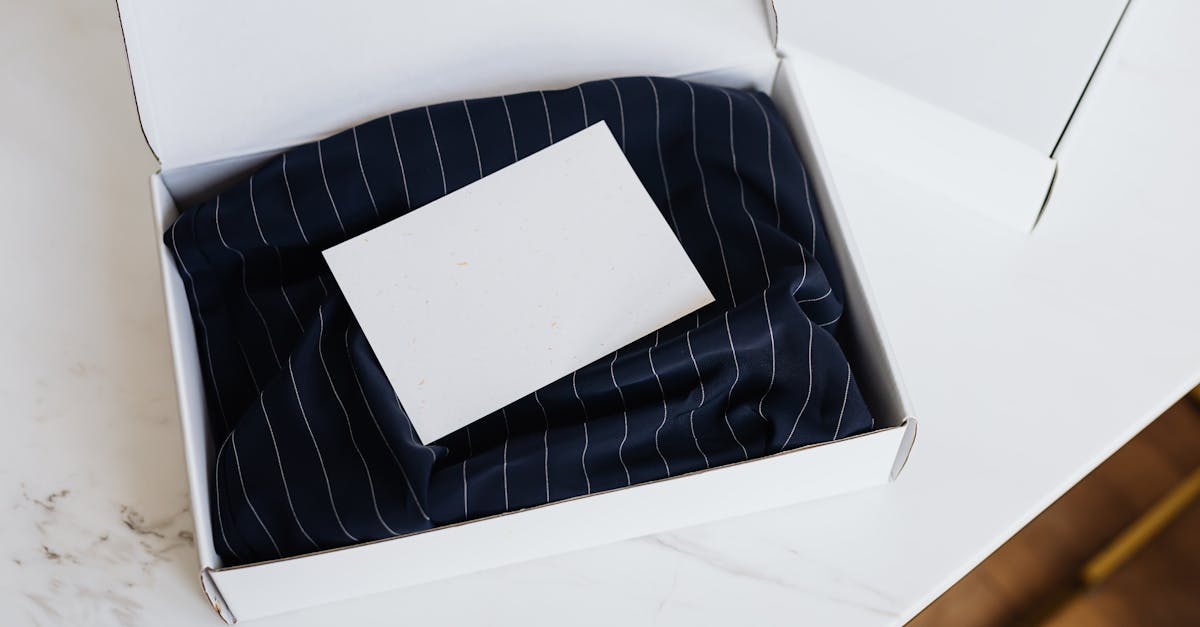
That last point gets missed a lot. The box is not just a shipping container. For a one-to-ten person brand, the box can be a retention channel.
A thank-you card, a care card, or a reorder offer can turn a plain delivery into a reason to come back. That matters even more if you sell products like jewellery, candles, skincare, apparel, or handmade goods where post-purchase education shapes the next sale.
If you want to turn shipped orders into more second orders, reviews, and signups, start with the package, not just the ad account.
How to Calculate Repeat Purchase Rate for Your Store
You calculate repeat purchase rate by dividing the number of customers with more than one purchase by the total number of customers in the same period, then multiplying by 100.
Repeat purchase rate = repeat customers / total customers × 100
That is the clean version. The useful version takes one more step: choose a date range that matches how people actually buy your products.
Here is a simple example. Say your OpoShop store had 200 unique customers from January through March. If 36 of those customers placed a second order by the end of March, your repeat purchase rate for that period is 18%.
That number can still mislead you if you read it too fast.
A store selling refillable skincare may see second orders quickly. A gift-heavy handmade store may see second orders much later. A print-on-demand poster shop may get repeat buyers, but not on a neat schedule. Same formula. Very different meaning.
A better read often comes from cohort thinking. Look at customers by first-order month. Customers who bought in January should be judged on a different clock than customers who bought last week.
Weak: “Our repeat purchase rate is low, so retention is bad.” Stronger: “Customers who bought candles in January are coming back within 45 days, but gift buyers from December are mostly one-time purchasers. The candle line is healthy. The gift line needs a different follow-up.”
That is the kind of reading that helps you make decisions in your OpoShop store.
If you want a simple way to add reorder prompts and review asks to the orders you already ship, this is a practical next step.
What a 'Good' Repeat Purchase Rate Depends On
A good repeat purchase rate depends on what you sell, why people buy it, and how long a normal second purchase takes.
Here is the part a lot of founders miss. A “good” number for consumables can look disappointing for gifts. A “good” number for handmade jewellery can look amazing for print-on-demand wall art. Context is the whole game here.
| Store type | What usually shapes repeat purchases | How to judge the number |
|---|---|---|
| Consumables like skincare or candles | Refill cycle, daily use, product satisfaction | Judge by reorder window. If buyers should need more in 30 to 90 days, watch that period closely. |
| Apparel | Seasonality, fit, quality, brand affinity | Second orders often come from trust. Good signs include repeat buyers across different products, not just one sale item. |
| Handmade goods | Gift intent, uniqueness, care needs | Repeat rate may be slower, but a strong post-purchase experience can bring customers back for another occasion. |
| Gift-heavy stores | Holiday spikes, one-time occasions | A lower rate does not always mean a weak business. Judge repeat behavior outside gift seasons and by product category. |
| Print-on-demand | Design appeal, niche relevance, purchase occasion | Repeat orders often depend on collection depth and brand connection more than fast reorder timing. |
If you sell consumables on OpoShop, you can usually judge repeat behavior sooner. If you sell gifts, personalized items, or special-occasion products, you need a longer view.
This is also why store-wide averages can get messy. A single number can hide what is actually working. One product line may have healthy second-order behavior while another line brings mostly one-time buyers.
Common Mistakes When Judging Repeat Purchase Rate
Most repeat purchase rate mistakes come from timing, lumping unlike orders together, or trying to force second orders with blunt discounts.
The first mistake is checking too early. If a customer bought a handmade necklace ten days ago, that customer has not had a fair chance to become a repeat buyer yet. Measuring too soon makes healthy stores look weak.
The second mistake is ignoring reorder windows. Skincare, candles, and supplements have a different buying rhythm than gift boxes, art prints, or one-off home decor. Your OpoShop dashboard cannot tell you that on its own. You have to bring that context.
The third mistake is lumping every product together. That usually hides the useful story.
The fourth mistake is relying on discounts alone. Discounts can pull some second orders forward, but discounts by themselves rarely build a lasting reason to come back. If the only message after purchase is “here’s 10% off,” the relationship stays thin.
The fifth mistake is not measuring post-purchase moments at all. Small brands often spend hours on product pages and ads, then treat the shipped package like dead space. That is a miss.
A package insert can give each order another job. A thank-you card can make the order feel personal. A care or usage card can reduce confusion and support better results with the product. A reorder offer can send buyers back to your store with a QR code that goes straight to the right page.
And no, this does not have to become a giant new project. Small teams can print inserts for one order or a whole date range and use standard trim sizes like 4x6, 5x7, A6, A5, or business card size so the process fits real packing workflows.
What We Recommend for Small Brands That Want More Repeat Orders
Small brands get more repeat orders by making the post-purchase experience useful, personal, and easy to act on.
That starts with the package. If you already pack orders yourself, you already control one of the few moments where a customer is fully paying attention. Use it.
A simple setup works well:
- Add a thank-you card that feels brand-specific, not generic.
- Personalize the card with the buyer’s name and order number if you can.
- Include a care or usage card for products that need guidance.
- Add a reorder offer only where it makes sense.
- Use QR codes so the next step takes one scan, not five clicks.
Up to three QR codes on an insert can cover a lot of ground. One QR code can send the buyer to a review page. One can go to a newsletter signup. One can go to a care guide or straight back to your store with a discount code.
That mix works especially well for brands selling jewellery, candles, skincare, apparel, and handmade goods on OpoShop, because those categories benefit from both education and follow-up.
A thank-you card is good for warmth. A care card is good for reducing disappointment. A reorder offer is good for timing the next purchase. Used together, they do more than any one of them does alone.
For merchants on OpoShop, this can stay simple. Generate inserts for one order or a full date range, print the PDF, and drop the card in the box. No extra app maze. No complicated fulfillment change.
Best answer: A good repeat purchase rate is a rate that fits your product cycle and keeps improving over time. Start by measuring second-order behavior by product type and first-order month, then use the packages you already ship to create better reasons to come back. A personalized thank-you card, a useful care card, and a QR-code reorder offer are often the simplest next move for a small brand.
If you want a clean way to turn each outgoing package into a second-order prompt, a review ask, or a care guide, this is a good place to start.
FAQs
How do I calculate repeat purchase rate for my store?
Calculate repeat purchase rate by dividing the number of customers with two or more completed orders by the total number of customers in the same period, then multiply by 100. In a small ecommerce store, the number gets more useful when you also split it by product type or first-order month.
What is considered a repeat customer in ecommerce?
A repeat customer in ecommerce is usually a customer who has placed at least two completed orders. The first order makes the customer new, and the second order moves that customer into the repeat buyer group.
Is repeat purchase rate the same as retention rate?
No. Repeat purchase rate measures how many customers bought again, while retention rate usually looks at how many customers stayed active over time. The two metrics are related, but they answer different questions.
How often should a small ecommerce brand track repeat purchase rate?
A small ecommerce brand should track repeat purchase rate monthly, but read it against a longer window that matches the product’s reorder cycle. Monthly tracking helps you spot movement, while a 60-day, 90-day, or longer view helps you avoid judging too early.
Can package inserts increase repeat purchases?
Yes. Package inserts can increase repeat purchases when they give the buyer a clear next step, such as a care guide, reorder offer, review page, or newsletter signup. For brands that pack their own orders, the insert gives the box a second job beyond delivery.
What should I put on an insert card to encourage a second order?
An insert card that encourages a second order should include a short thank-you, a useful next step, and one clear call to action. A QR code to a reorder page, a care guide, or a discount-backed return visit usually works better than a vague “shop again soon” message.