Do Package Inserts Actually Increase Repeat Purchases?

The Honest Answer on Repeat Purchases
Package inserts increase repeat purchases across OpoShop stores, but not because customers are touched by a nice note. They work because a card creates a specific, time-bound reason to buy again at the exact moment someone likes your brand most.
That distinction matters, because it explains why some merchants swear by inserts and others try them once and conclude they do nothing. The ones who got nothing usually printed a card that said thank you and stopped there. Gratitude is worth printing. It is not, on its own, a reason to place another order.
The mechanism is simple. A customer who just received something they wanted is in a receptive state. If, in that moment, they hold a card offering 15 percent off within the next 60 days, some fraction of them will come back who otherwise would not have. Not most. Some.
The realistic framing for a small store on OpoShop is that inserts move repeat rate by a few percentage points, at a cost of a few cents per card plus whatever the discount costs on redemption. For a business where a repeat customer is worth many times a first order, a few points is a real result.
Why the Unboxing Moment Beats Every Other Touchpoint
Timing is most of why this works, and it is worth being precise about why.
Every other retention channel reaches the customer at a random moment. An email arrives while they are working. A retargeting ad appears while they are reading something else. Neither has any relationship to how the customer currently feels about you.
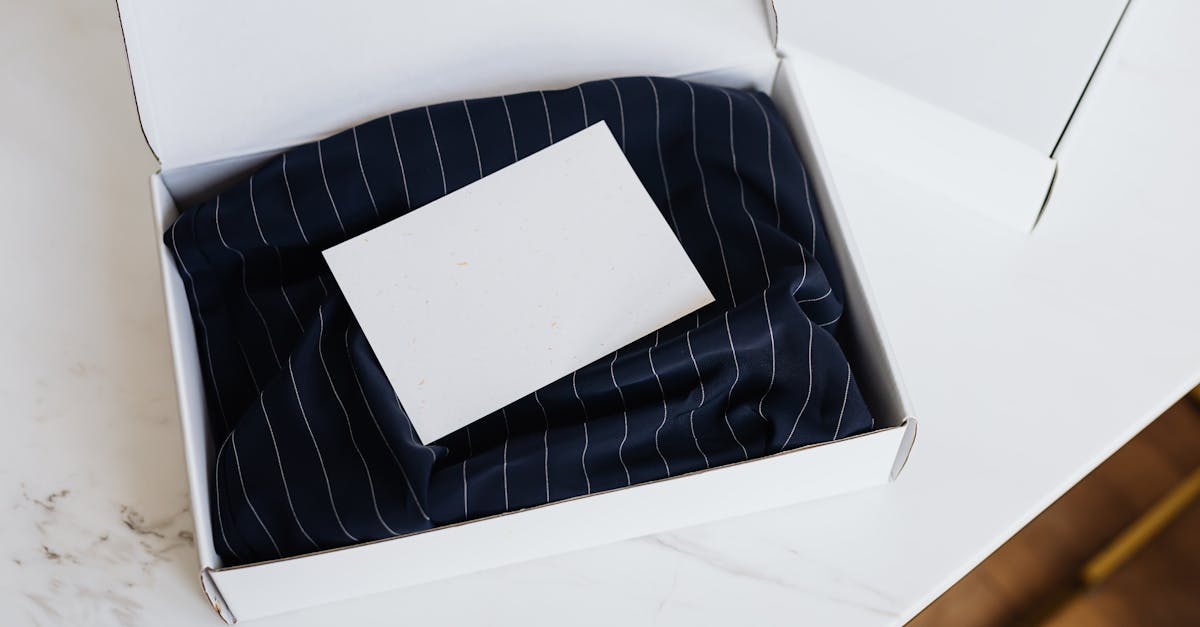
An insert arrives in the two minutes when the customer has your product in their hands for the first time. They chose you, they waited, and the thing showed up. That is the emotional high point of the entire relationship, and it will not come again until the next order.
Four things make the moment unusually valuable:
- Undivided attention: No competing tabs, no notifications, nothing else asking to be read.
- Guaranteed reach: Every customer who receives an order sees the card. No open rates, no spam filters.
- Positive framing: Whatever the card says is read in a good mood, which is not true of most marketing.
- Physical persistence: A card sits on a desk or a fridge for weeks. An email is gone in a scroll.
That last point is underrated. A card with a discount code often lives on a kitchen counter until it is used or the expiry passes. No digital message gets that kind of dwell time.
What Kind of Insert Moves Repeat Rate
Not all inserts are retention tools, and OpoShop merchants often print the wrong one for the outcome they want. Some build brand, some reduce support tickets, and only a couple actually pull a second order.
The reorder offer is the workhorse. A percentage off the next purchase, a code, and an expiry date. It is direct, it is measurable, and it gives the customer a reason to act rather than a feeling to have.
A care card affects repeat purchases indirectly, and more than you would expect. A customer whose candle tunnelled or whose knit pilled because they washed it hot does not buy again. Instructions that keep the product performing protect the second order by making the first one a good experience.
A review request is a retention tool one step removed. Reviews do not bring that customer back, but they convert the next visitor. Over a year, that compounds.
A pure thank-you card is a brand tool. It makes a small operation feel personal, which matters, but you should not expect it to show up in your repeat rate. If you need a measurable retention lift, the card needs an offer or a code on it.
How to Build an Insert That Drives Reorders
The offer, the deadline, and the code are the three things that decide whether this works. Everything else on the card is presentation. Design is a distant fourth.
Here is what those look like when you actually run them.
1. Choose the discount carefully
Too small and nobody acts. Five percent off a $30 item is $1.50, which is not a reason to do anything. Too large and you are buying a sale you might have got anyway, plus training customers to wait for a card.
Ten to twenty percent is the range most small stores land in. Consumables can go lower because the repeat purchase is likely regardless. Considered purchases usually need more to overcome the hesitation.
Do the arithmetic before you print. If your margin on a $40 product is $16, a 20 percent discount costs $8 of that. You are trading half the margin on order two for the chance of having an order two at all. Often worth it. Not always.
2. Put a date on it
An offer with no deadline gets filed under "later" and later never arrives. A printed date does two useful things: it prompts action, and it stops a stray card from a year ago turning up at checkout and creating an awkward conversation.
Match the window to the product's rhythm. A coffee subscriber runs out in four weeks. A jewellery buyer might take six months. A sixty day expiry suits most categories and is long enough not to feel aggressive.
3. Make each code unique
A single shared code printed on every card works, and it costs you the ability to measure anything. A unique code per order tells you exactly how many cards converted, and it limits the damage if a code gets posted to a deals forum.
Codes minted per order in your OpoShop store also read as more personal on the card, because the customer can tell it was made for their order rather than photocopied a thousand times.
Inserts vs Email vs Retargeting Ads for Retention
All three chase the same second order, and they have very different economics.
| Channel | Cost to reach | Why it works | Watch-out |
|---|---|---|---|
| Package insert | A few cents per order, no postage | Guaranteed to be seen at peak goodwill and physically persistent | Fixed at print time, so you cannot change the offer after it ships |
| Post-purchase email | Effectively free per send | Easy to automate, easy to test, and you can adjust timing | Competes with a full inbox and many messages go unopened |
| Retargeting ads | Rising cost per click, paid every time | Reaches people who never gave you an email address | You pay again for every impression and costs move against you |
The strongest setup is not choosing one. It is an insert at unboxing, an email a couple of weeks later, and ads reserved for acquisition rather than retention.
What makes inserts distinct is that the cost is fixed and tiny, and the reach is total. An email reaches whoever opens it. An ad reaches whoever you pay for. A card reaches everyone who receives an order, every single time.
The trade-off is inflexibility. Once a card is printed and in a box, the offer is frozen. That is the real argument for generating cards per batch rather than printing a thousand at once: you can change the offer next week without throwing away nine hundred cards.
Which Products Benefit Most
The size of the effect depends heavily on what you sell, and the spread across OpoShop categories is wide, and being realistic about your own category saves you disappointment.
Consumables benefit most. Coffee, candles, skincare, supplements, socks. The customer will need more eventually, so the card only has to influence where they buy, not whether they buy at all. This is the easiest win in the whole category.
Apparel and accessories do well because purchases cluster. Someone who liked a shirt often wants another colour, and a dated offer gives them a nudge inside the window where they still remember the fit.
Handmade and small-batch goods benefit through relationship more than discount. A card that explains care and includes a modest offer works better than an aggressive discount, which can cheapen a product whose appeal is that it was made by a person.
One-off and gift purchases benefit least from a reorder offer, and this is where merchants waste money. Someone buying a wedding present is not buying another one. For those categories, point the card at a review or a signup instead, which captures value without spending margin on a repeat that was never coming.
How to Measure the Lift Properly
Most merchants either measure nothing or try to measure everything. There is a simple middle.
Count two numbers each month: cards printed and codes redeemed in your OpoShop discounts. The ratio is your insert conversion rate. Because a unique per-order code can only come from a card, that number needs no attribution model and no analytics setup.
Then look at the money. Multiply redemptions by average order value to get revenue attributable to the card, and subtract the discount given plus printing cost. If the result is positive, the card pays for itself. Most stores find it does, comfortably.
Give it a real window. If the code lasts sixty days, you cannot judge a month of printing until at least ninety days have passed. Judging too early is the most common reason merchants abandon a channel that was about to work.
One caution on interpretation. Some redemptions would have bought again anyway, so the card did not create every one of those orders. You are measuring an upper bound. Even discounted for that, the arithmetic usually still holds, because the cost side is genuinely tiny. For a store on OpoShop with the discounts list right there, this is a ten minute check once a month.
Best answer: Package inserts do increase repeat purchases, but only when the card carries a real offer with a deadline rather than just a thank you. Print a unique code per order, set a sixty day expiry, choose a discount your margin can absorb, and count redemptions against cards printed in your OpoShop store. That single ratio tells you your actual lift, and for most small brands it comfortably beats the cost of the card.
If you want a number instead of a hunch, put a unique code on the next batch and count what comes back.
FAQs
How much can a package insert increase repeat purchases?
The realistic range for a small store is a few percentage points of first-time buyers converting to a second order, driven mostly by the offer rather than the note. The exact number depends on your category and discount, which is why a unique per-order code matters. It turns the question from a guess into a count.
Is a thank you card enough to drive repeat purchases?
Usually not on its own. A thank-you card builds goodwill and makes a small brand feel personal, both of which help, but it gives the customer no specific reason to return. Adding one dated offer or one clear action turns a warm gesture into something that shows up in your numbers.
What discount should I offer on a reorder insert?
Most small stores land between 10 and 20 percent. Below that the offer is too small to prompt action, and above it you start buying sales you might have got anyway. Run the margin arithmetic on a real product before you print, and go lower for consumables where the repeat purchase is likely regardless.
How long should the discount on an insert last?
Sixty days works for most categories. It is long enough to feel generous and short enough to prompt action, and printing the date on the card stops old offers from resurfacing later. For consumables, match the window to how long the product actually lasts.
Do package inserts work for expensive one-off products?
A reorder discount usually does not, because the customer is not buying another one soon. For those categories, point the card at a review request or a care guide instead. You capture value from the moment without spending margin on a repeat purchase that was never going to happen.
How do I know if the repeat order came from the insert?
Print a unique discount code per order. Because that code exists nowhere except on that one card, every redemption is unambiguously attributable to the insert. It is the cleanest attribution available in ecommerce and it needs no tracking setup at all.
Ready to find out what your own number is? Put a dated code on the next batch of cards.